Introduction
If you're over 40 and struggling with afternoon energy dips, constant snacking urges, or a metabolism that seems to have slowed down, you're not alone. Many adults in midlife experience a noticeable shift in how their body processes food and manages hunger signals. The good news is that foods that boost metabolism and reduce hunger naturally exist in your local grocery store right now, and they work through proven biological mechanisms your body already understands.
Rather than chasing fad diets or extreme calorie restriction, this article explores how specific whole foods can work with your body's natural systems to increase calorie burn, stabilize blood sugar, and curb those frustrating cravings that derail your health goals. By understanding which foods support these functions, you can make informed dietary choices that feel sustainable and actually work.
Why Metabolism Slows and Hunger Control Becomes Harder After 40
Metabolism isn't simply a fixed engine that runs at the same speed throughout life. Beginning around age 30, and accelerating after 40, most adults experience a gradual decline in resting metabolic rate—roughly 3–8% per decade. This slowdown happens for several interconnected reasons that are both hormonal and physiological.
First, muscle tissue burns significantly more calories at rest than fat tissue. As we age, we naturally lose muscle mass (a process called sarcopenia) unless we actively work to maintain it through resistance training. This loss of metabolically active tissue means the same body weight burns fewer calories than it did at 25. Simultaneously, hormonal changes compound this issue. In women, declining estrogen during perimenopause and menopause reduces thermogenesis—the body's heat production and calorie expenditure. Men experience a gradual decline in testosterone, which also supports muscle preservation and metabolic efficiency.
Hunger regulation becomes more complex too. The hormones that signal fullness (like peptide YY and GLP-1) and suppress appetite become less responsive with age, while ghrelin—the "hunger hormone"—may become more persistent. Many adults over 40 also develop insulin resistance, where cells no longer respond optimally to the hormone insulin. This leads to blood sugar fluctuations, energy crashes, and intense carbohydrate cravings. Inflammation, more common in midlife, also interferes with hunger signaling and can increase appetite. Understanding these mechanisms is the first step toward choosing foods that boost metabolism and reduce hunger naturally, because the right foods directly address these underlying causes.
Common Signs That Your Metabolism and Hunger Control Need Support
Recognizing these patterns helps you understand whether dietary intervention might be beneficial. One of the earliest signs is persistent afternoon energy crashes—feeling tired around 3 p.m. despite adequate sleep. This usually reflects blood sugar instability and poor nutrient absorption at lunch. You might also notice that you feel hungry shortly after eating, even when you consumed a reasonable portion. This suggests either that your meal lacked adequate protein and fiber, or that your hormonal satiety signals have become dulled.
Weight gain despite unchanged eating habits is another hallmark sign. If you're eating the same way you did five years ago but gaining 1–2 pounds per year, your metabolism has likely shifted. Cravings, especially for refined carbohydrates and sugar, intensify when blood sugar swings are significant. You might find yourself reaching for cookies, bread, or chips in the late afternoon or evening—a pattern that's rarely about willpower and almost always about physiology.
Water retention and bloating, particularly around the midsection, can indicate poor digestion and inflammation. Some adults report that their hunger never truly "switches off"—they feel a background sense of appetite even after eating adequate food. Cold hands and feet, thinning hair, and dry skin can suggest a genuinely slowed metabolism or micronutrient deficiencies that impair metabolic function. Difficulty losing weight despite creating a calorie deficit is perhaps the most frustrating sign. When the body is metabolically inefficient and resistant to fat loss, simply eating less often backfires—it triggers increased hunger, fatigue, and muscle loss rather than sustainable fat loss.
How Slow Metabolism and Constant Hunger Affect Daily Life
The impact of sluggish metabolism and poor hunger control extends far beyond the scale. Energy levels suffer dramatically. Many adults describe a fog-like fatigue that coffee no longer fixes. This affects work performance, mood, and the ability to exercise effectively. When you're depleted, you're less likely to move your body, which further reduces calorie burn and muscle maintenance—a frustrating downward spiral.
Psychologically, constant hunger and cravings create decision fatigue. Every meal and snack becomes a battle of willpower rather than an intuitive, peaceful choice. Food occupies mental bandwidth that could go toward work, relationships, or hobbies. The shame and frustration of gaining weight despite effort erodes self-confidence, especially for those who succeeded at weight management when they were younger.
Socially, you might feel isolated—declining restaurant invitations because you're unsure how to eat "on plan," or avoiding activities because of low energy or poor body image. Physical activities become harder; stairs leave you winded, and gym workouts feel exhausting rather than energizing. This reduces overall activity, further compounding metabolic decline. Sleep can suffer too, as blood sugar instability and hormone imbalances disrupt sleep quality, which in turn makes weight management harder and cravings worse.
Natural Dietary Approaches to Support Metabolism and Hunger Control
Fortunately, food choices profoundly influence both metabolic rate and hunger hormones. The most powerful dietary strategy is prioritizing protein at every meal. Protein has the highest thermic effect of all macronutrients—meaning your body burns 20–30% of protein calories just digesting it, compared to 5–10% for carbohydrates and 0–3% for fat. Protein also triggers the release of satiety hormones and slows stomach emptying, keeping you fuller longer. Adults over 40 should aim for roughly 0.8–1.0 grams of protein per pound of target body weight, distributed across meals rather than concentrated at dinner.
Fiber is equally critical. Soluble fiber (found in oats, beans, apples, and citrus) slows digestion, stabilizes blood sugar, and feeds beneficial gut bacteria that produce short-chain fatty acids—compounds that support metabolism and reduce hunger signals. Most adults eat only 15 grams of fiber daily when they should consume 25–35 grams. Whole grains, legumes, vegetables, and fruits should form the foundation of your carbohydrate choices.
Healthy fats support hormone production and nutrient absorption. Omega-3 fatty acids (from fatty fish, walnuts, and flaxseeds) reduce inflammation and improve insulin sensitivity. Foods naturally high in metabolism-supporting nutrients—particularly B vitamins, iron, and magnesium—deserve special attention. If your current diet lacks these nutrients, targeted supplementation formulas like Slimtide can fill micronutrient gaps that impair metabolism.
Specific Foods That Naturally Boost Metabolism and Reduce Hunger
Green tea deserves special mention. The catechins in green tea slightly increase fat oxidation and thermogenesis, particularly during exercise. A 2019 study in Nutrients found that regular green tea consumers showed improved metabolic markers and reduced body weight over time. Aim for 3–4 cups daily or choose a quality loose-leaf variety for maximum benefit.
Fatty fish like salmon, mackerel, and sardines provide high-quality protein, omega-3s, and vitamin D—all of which support metabolism. Fish consumption has been linked to improved insulin sensitivity and reduced hunger in multiple studies. Eggs are another powerhouse; they're highly satiating and inexpensive. The yolk contains choline, which supports metabolism and brain function.
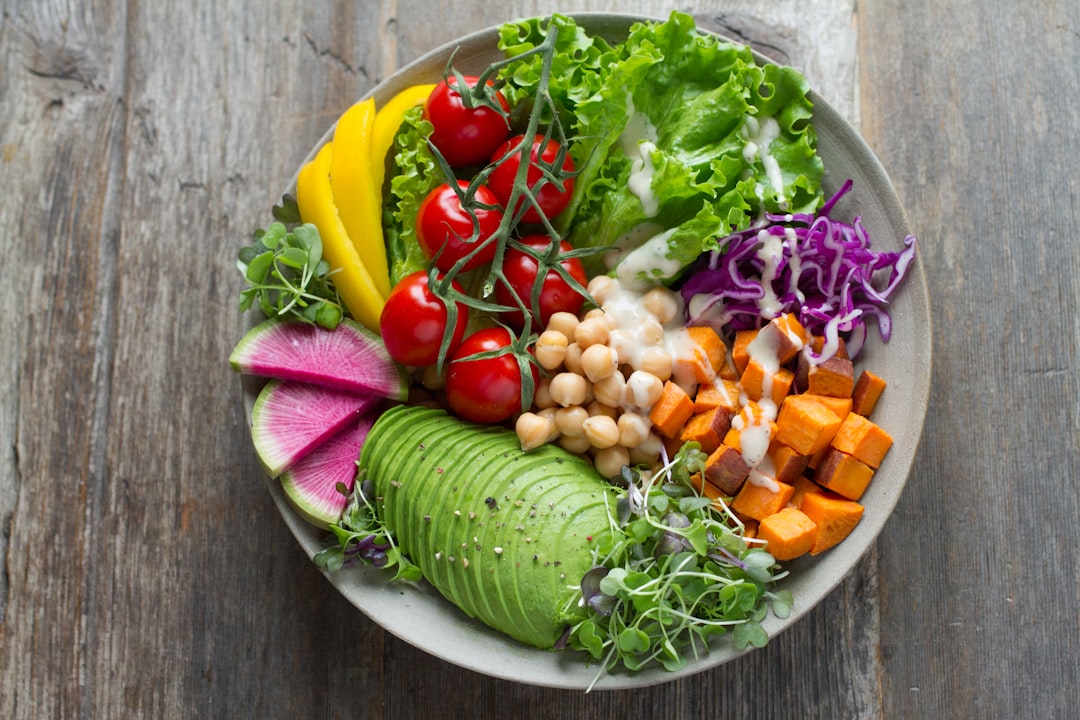
Legumes—beans, lentils, chickpeas—combine protein and fiber in a way that stabilizes blood sugar for hours. A 2020 study in Advances in Nutrition found that legume consumption was associated with modest but consistent weight loss and improved metabolic markers. Cruciferous vegetables like broccoli, cauliflower, and Brussels sprouts contain compounds that may support liver detoxification and are nearly impossible to overeat due to their fiber and water content.
Nuts and seeds (almonds, chia, flax, pumpkin) provide protein, fiber, and minerals like magnesium, which many midlife adults lack. Cayenne pepper, ginger, and turmeric contain bioactive compounds that may mildly increase thermogenesis and reduce inflammation. While the effect is modest, these seasonings cost nothing and add flavor to nutritious meals.
Greek yogurt provides protein and probiotics, which support digestion and potentially influence hunger hormones through the gut-brain axis. Berries are among the lowest-sugar fruits and highest in antioxidants. A 2016 study in the American Journal of Clinical Nutrition linked anthocyanin consumption (a compound in berries) to improved weight management in midlife adults.
Frequently Asked Questions
Q: How long does it take for dietary changes to affect metabolism and hunger?
A: Some effects appear within days—blood sugar stabilization and reduced cravings often improve within 3–5 days of eating protein and fiber at every meal. However, true metabolic changes, including increased muscle mass and normalized hunger hormones, typically require 4–8 weeks of consistent dietary and lifestyle changes. Patience and consistency matter more than perfection.
Q: Can I boost metabolism without changing my diet?
A: Partly, yes. Resistance training and adequate sleep improve metabolism, but diet is primary. You can't out-exercise a poor diet, especially after 40. The most effective approach combines dietary changes (foods that boost metabolism and reduce hunger naturally) with strength training and sleep optimization.
Q: Are there foods I should avoid if I'm trying to control hunger and support metabolism?
A: Yes. Highly processed foods, refined carbohydrates, and added sugars cause blood sugar spikes and crashes that amplify cravings and slow metabolism. Seed oils high in omega-6 linoleic acid may promote inflammation. Alcohol, particularly in excess, impairs metabolic rate and disrupts hunger hormones. These aren't "forbidden," but minimizing them yields noticeable results.
Moving Forward: Building Your Approach
The path to sustainable weight management and controlled hunger after 40 begins with understanding that your body has changed—and that's normal, not a personal failure. By choosing foods that boost metabolism and reduce hunger naturally, you're working with your biology rather than against it.
Start with one change: adding a protein source to your breakfast, or increasing vegetables at lunch. Let that become automatic, then add the next change. Build momentum through small, consecutive wins rather than attempting a complete overhaul overnight. Over weeks and months, these choices compound into measurable shifts in energy, body composition, and your relationship with food.
If you've optimized your diet and you're still struggling with energy, metabolism, or hunger control, micronutrient gaps may be part of the picture. Slimtide is formulated specifically around the nutrients discussed in this article—including metabolism-supporting B vitamins and minerals that support satiety. Check out the full breakdown to see if it complements your dietary strategy.